

Guest article by queer-voices.com.
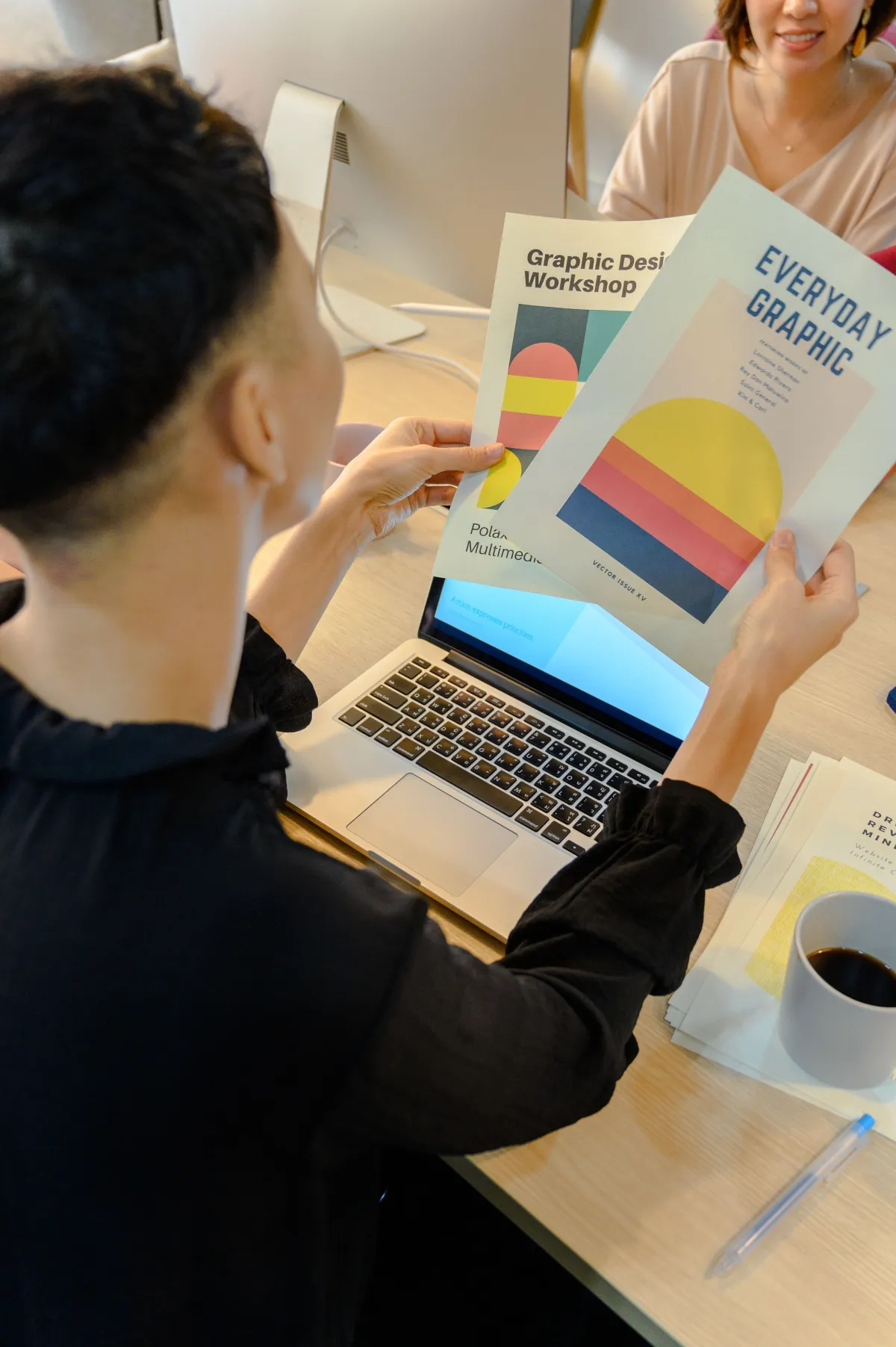
Graphic design is much more than just the aesthetic side of a brand. Graphic design influences how a company is perceived and how consumers buy its products. Colors, shapes, fonts, and compositions influence consumers' psychology and help achieve business goals. The following five psychological principles will help you understand the significance of graphic design.
Colors Influence Emotions and Purchasing Decisions
The psychology of colors is vital in influencing consumers' responses to various images. Different colors may represent certain feelings, change attitudes, or convey the attitude of the company without verbally expressing it. For instance, blue can convey the idea of reliability, stability, or professionalism; thus, it is preferred by banks or tech companies. Red stands for excitement, urgency, or passion; hence, it is used in different marketing campaigns. Green indicates a natural, healthy, or sustainable lifestyle. It is very important for companies to choose colors that will represent them and their customers.
Typography Shapes Brand Perception
Typography does not only convey messages. Typography also creates personalities, which aid in creating an influence on the perception of customers about the message. Serif typefaces are associated with elegance and tradition, while using sans-serif typefaces reflects a sense of simplicity and modernity. Playful fonts may be appropriate for brands that embody creativity, but errant use of funky fonts may detract from the brand's credibility. Readability is also a must because clients have to be able to grasp the message. Proper sizing and spacing of the text will help in the perception of the information.
Unique Designs Captivate Audiences
The originality of design gives an opportunity for the company to catch people’s attention in the crowded market situation, when clients receive lots of visual information every day. Original images, unusual designs, and interesting compositions make people pause and look at what the company has offered. The application of digital art programs gives designers unlimited opportunities to experiment with various approaches to work. For instance, artists can purchase excellent brushes for Procreate that mimic real-life textures, creating illustrations with a distinctive handmade appearance. These details help to inject some personality into the design and increase the emotional connection between the brand and its consumers.
Visual Hierarchy Guides Customer Attention
In most cases, designers are not required to pay attention to each of the elements in equal proportions. On the contrary, their eyes will be naturally attracted to certain elements that attract their attention due to factors like large font sizes, bright colors, or images. Visual hierarchy makes use of this natural tendency and applies it in the arrangement of different elements in accordance with their priority levels. Through the use of visual hierarchy, designers can give prominence to the priority information through larger font sizes, brighter colors, high contrast, or spatial placement of certain elements.
Simplicity Builds Trust and Improves Understanding
It is also important to mention that overly complicated designs can put off potential customers and make the company look unprofessional. Using simplicity can free up space that will make the differences clear and the message straight. In terms of minimalist design, color schemes, fonts, and images have a function and serve a purpose instead of being used as decorative elements. In the process of communicating with a client, they deliver the message without distractions. Consistency provides a sense of reliability because consumers start recognizing specific visual elements used across different platforms.
In conclusion, great graphic design is a mixture of creativity and understanding of human psychology. It becomes possible by utilizing colors, creativity, typography, visual hierarchy, and simplicity, which help companies create experiences that appeal to customers. Effective visual communication will result in successful branding, engagement, and making decisions.